Ask for a Sample, Get a Photograph: Decoding the Deliberate Pace of Japanese Prototype Approvals
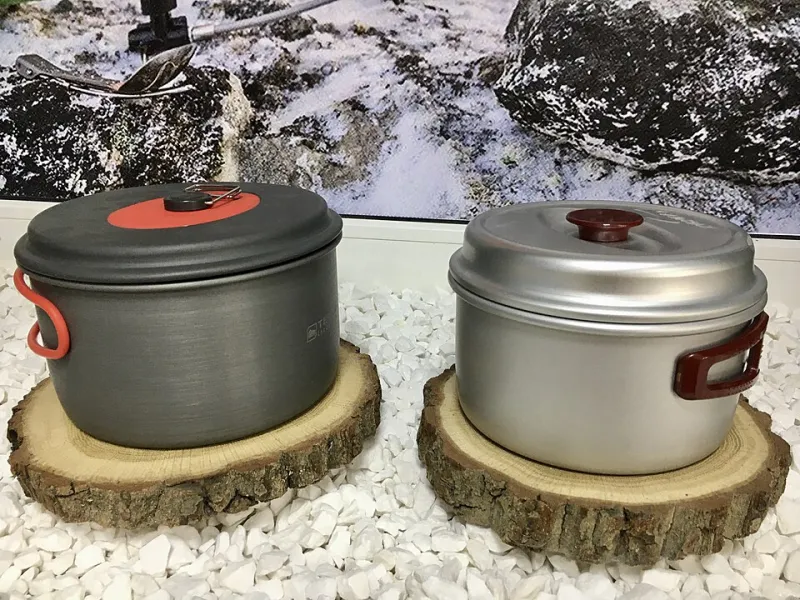
Photo: Taras r, CC BY-SA 4.0, via Wikimedia Commons
A procurement manager in Ohio sends a Friday-afternoon email: "Please send one anodized sample, DHL overnight if possible." By Monday morning — which is Sunday evening in Ohio — the reply arrives, polite and precise. Yes, we can produce the sample. But first, may we schedule a video call? And would photographs of the first finished piece be acceptable before we ship?
To an American buyer raised on next-day air and two-day prototypes, this reads as stalling. It is not. It is a different theory of what a sample is for — and once you understand that theory, you can work with it rather than around it.
Why the Part Stays on the Bench
The first reason is unglamorous: cost discipline. A single machined and anodized part, packed and shipped express across the Pacific, can run several hundred dollars in freight and handling. Mid-sized Japanese workshops, which typically operate on thin margins and quote aggressively to win US business, absorb that cost reluctantly — especially when they suspect the sample will be revised two or three times before approval. Each revision means another part, another coating batch, another international shipment. A photograph costs nothing to send twice.
The second reason is cultural and, frankly, more important. In many Japanese workshops, the sample that leaves the building is a statement: this is the standard we will hold for the next fifty thousand units. Presenting a part that a machinist would quietly redo is close to a loss of face. So the piece sits under inspection lighting longer than an American shop would tolerate. Dimensional reports get checked twice. The anodize color is compared against the spec under both daylight and shop fluorescent, because the supplier knows color is where most first-sample disputes begin.
That internal gate adds a day or two. Buyers who plan for it — rather than treating it as dead time — consistently report smoother first-article approval than those who push.
The Photograph Is Not a Substitute. It Is a Filter.
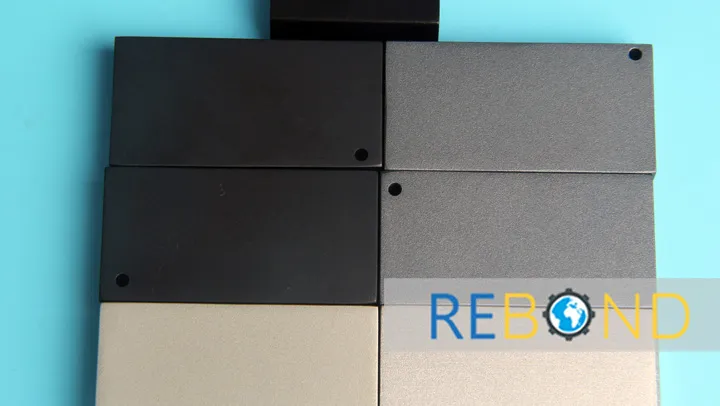
Here is what surprises US buyers most: the photo is often the supplier doing you a favor. A high-resolution image of the anodized finish, taken next to a Pantone chip or against the reference drawing, lets you catch a wrong tone before it costs a week of trans-Pacific shipping. A video call with the machinist holding the part lets you see surface finish, edge breaks, and thread quality in real time — and ask questions on the spot.
Think of it as pre-approval triage. The Japanese workshop is sequencing the conversation so that the physical sample, when it finally flies, is the one you say yes to. The alternative — shipping three speculative parts in sequence — burns calendar time and signals to the supplier that their judgment was not worth consulting.
How to Compress the Cycle Without Offending Anyone
The good news: none of this pacing is fixed. It responds directly to how you ask. Buyers who get fast samples from Japanese suppliers tend to do four things.
They state the revision budget up front. "We expect up to two revisions; please ship after each" tells the supplier that a photo-only response would slow you down, and gives them permission to spend on freight.
They offer to carry the shipping. Providing your own DHL or FedEx account removes the cost objection entirely. Many workshops will move noticeably faster the moment freight is off their books.
They define what the photo must show. Instead of "send pictures," specify: part next to a scale, finish under the lighting they use, the anodize batch tag visible. Vague requests produce vague images; precise ones produce approvals.
They treat the video call as the inspection. A thirty-minute call with the part in hand can replace a first physical sample outright for simple geometries. Several US companies we work with now make this their default for first-pass evaluation and reserve physical samples for the final revision.
A Sample-Request Playbook, Tuned to the Workshop
For your next RFQ to a Japanese mid-sized shop, try this sequence:
- In the RFQ itself, include a line on sample logistics: who pays freight, how many rounds you anticipate, and your target approval date in both time zones.
- After the quote arrives, request a short video call before production of the sample — not after. This is when the machinist's questions are cheapest to answer.
- When the first piece is done, ask for photos against your color standard within one business day, then green-light shipment in the same reply.
- Close the loop with a short written approval or a specific punch list. Suppliers remember buyers whose feedback is unambiguous, and unambiguous buyers get pulled ahead in the queue the next time a rush job lands.
The anodized sample that takes ten days instead of two is not a warning sign. Handled well, it is the cheapest insurance you will ever buy: a supplier who refuses to ship anything they would not put their name on is exactly the supplier you want holding your production tooling for the next five years.