When 'Natural' Isn't a Color: Reading a Japanese Supplier's Discipline in Every Anodized Batch
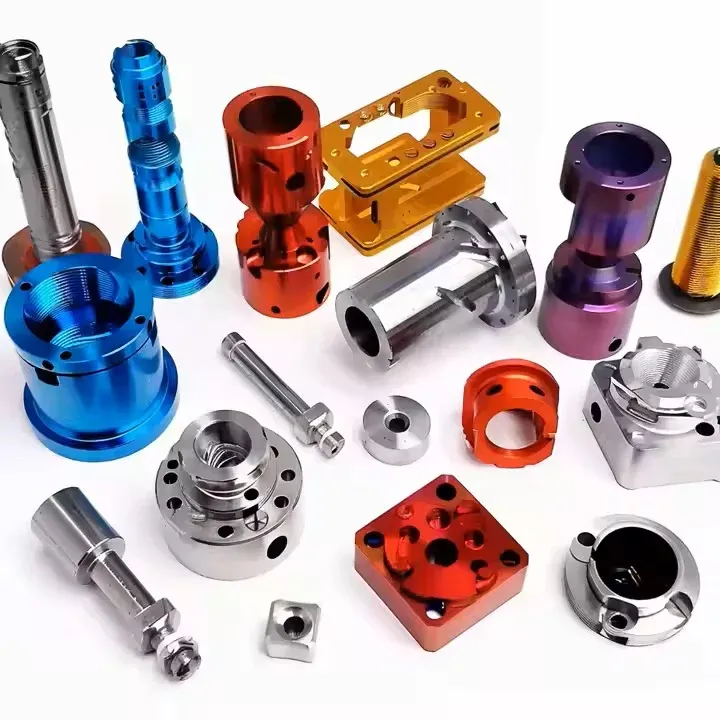
Photo: anodized aluminum parts colorful metal finishing factory, via qd-evergreen.com
Ask a procurement manager in Ohio what color anodizing tells them about a supplier, and the honest answer is usually: not much. Color is cosmetic. It's the last line item on the spec sheet, decided by a marketing team that wants the enclosure to match the brand palette.
Ask a Japanese anodizing technician the same question, and you'll get a different answer entirely. Color is chemistry, timing, temperature, and voltage — all of it visible to anyone who knows how to look.
Why Color Is the Canary in the Anodizing Tank
Anodizing builds an oxide layer on aluminum through an electrochemical bath. Dye it, and the color you get depends on dozens of interacting variables: bath temperature, dye concentration, immersion time, current density, the alloy itself, even how the parts were rinsed beforehand.
Getting one batch to look good is easy. Getting batch forty to match batch one — months later, with a different aluminum lot — is where the difficulty lives. A supplier who can hold a chromatic tolerance across a year of production is demonstrating something rare: measurement discipline, documented parameters, and a willingness to reject parts that a customer might never notice.
That's precisely why color consistency is worth treating as a litmus test. If a workshop controls the variables in a process as unforgiving as color anodizing, the inference is reasonable that the same rigor extends to the dimensions and surface finishes you actually care about.
The 'Natural' Problem: One Word, Two Metals
Here's where US buyers get burned. The most common anodizing spec on American drawings reads, simply, "natural" or "clear." But Type II clear anodizing from one shop can look champagne-warm; from another, cool and slightly gray. The difference comes from seal temperature, sulfuric acid concentration, and alloy chemistry — none of which the word "natural" pins down.
Japanese suppliers, working from JIS H 8601 rather than MIL-A-8625, may interpret your spec through an entirely different standards framework. Neither party is wrong. They're just speaking past each other in two technical dialects.
The fix is specificity. A strong anodizing spec should state:
- The standard and coating thickness — e.g., MIL-A-8625 Type II Class 2, 0.4–0.7 mil, or the equivalent JIS class
- A physical color standard — a retained sample plate, not a Pantone number (Pantone inks and anodized dyes don't correlate reliably)
- Dye lot and seal process, if color is critical
- Acceptance criteria — visual comparison under defined lighting, at defined distance, against the retained standard
That last point matters more than it sounds. "No visible color variation" is an invitation to argument. "Delta E ≤ 1.5 against retained sample under D65 illumination" is a contract.
The Sample Plate Ritual
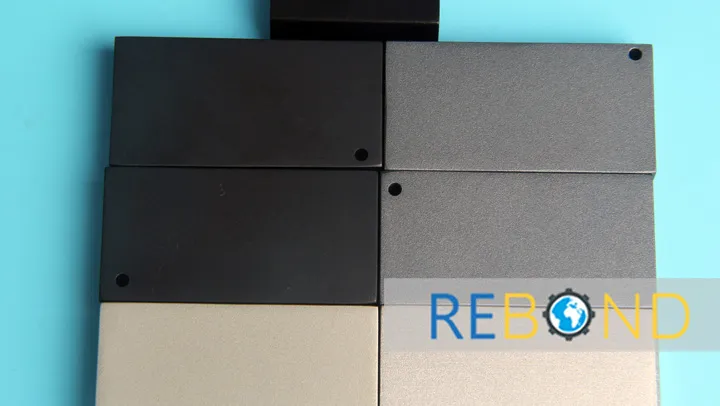
When evaluating a Japanese supplier, ask for anodized sample plates from two different production dates — not the same batch. Then hold them edge to edge under daylight-balanced light.
What you're really testing: Does the supplier retain master samples? Do they requalify dye baths against them? Will they tell you when a color drifted, or ship it and hope? A workshop that proactively flags a slight shift in hue — before you notice it — is showing you the culture you're buying into.
At Goto Industry, we've watched buyers negotiate hard on per-unit pricing while ignoring the process evidence sitting in a stack of sample plates on the conference table. The plates are the negotiation. They tell you whether the supplier measures, records, and rejects — or whether "close enough" is the operating standard.
A Short Checklist Before You Sign
- Request retained color standards and confirm they'll be referenced on every shipment's inspection report.
- Agree on the measurement method — visual comparison, spectrophotometer, or both — and who pays for it.
- Align the governing standard explicitly (MIL-A-8625 vs. JIS H 8601) on the drawing itself, not in an email.
- Ask how the supplier handles alloy changes. A 6061-to-6063 substitution will shift anodized color; a disciplined supplier will tell you before it ships.
Color anodizing won't make or break most products. But the discipline it reveals — or fails to — will follow every part that supplier makes for you. Read the rainbow carefully. It's saying more than it looks.