Six Weeks Lost in Translation: The Real Price of a Misread Spec Sheet
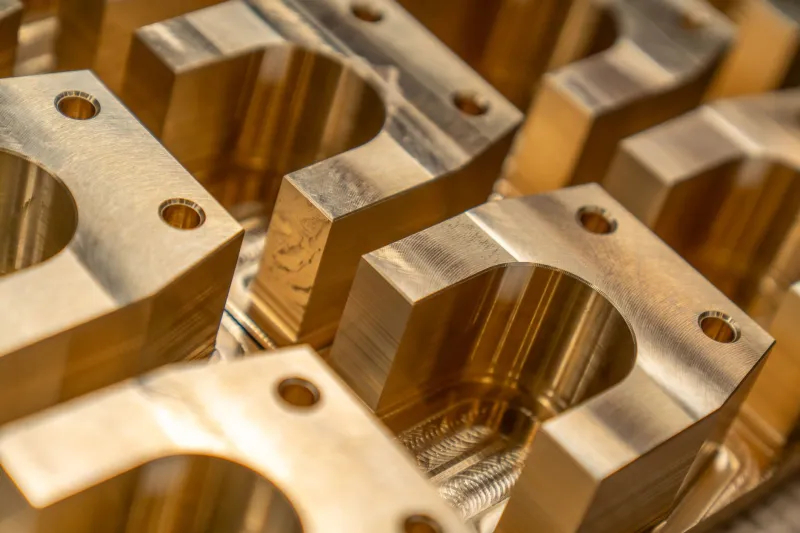
When a US-based medical device firm sent an RFQ to a precision machining supplier in Shizuoka last year, everything looked routine. Dimensions were specified, tolerances were clear, deadlines were stated. Six weeks later, the first article samples arrived — machined to the letter of the drawing, and unusable. The problem was not the supplier's capability. It was a single English word on the spec sheet that carried two different meanings on either side of the Pacific.
Stories like this rarely make it into post-mortem reports, because nobody wants to admit the delay was self-inflicted. But in US-Japan manufacturing partnerships, the language gap is one of the most predictable — and most preventable — sources of schedule slippage.
Where the Time Actually Goes
The six-week figure is not hyperbole. Consider how a mistranslation propagates through a typical sourcing cycle:
- Week one: The buyer's RFQ contains an ambiguous term — say, "finish" where a specific surface roughness value was intended.
- Weeks two and three: The Japanese supplier, reluctant to ask a question that might seem careless, makes a reasonable assumption and quotes accordingly.
- Week four: First articles arrive. The discrepancy surfaces.
- Weeks five and six: Diagnosis, revised drawings, re-quote, and re-scheduling around the supplier's existing production calendar.
The supplier's reluctance to ask clarifying questions deserves particular attention. In many Japanese manufacturing cultures, repeatedly asking a client to explain their own documentation can be read as a lack of preparation. The result is a quiet, well-intentioned guess — and guesses at the spec level are expensive.
The Terms That Cause the Trouble
A practical first step for any American buyer is building fluency in the Japanese manufacturing vocabulary that appears most often on drawings, quotes, and correspondence. A working starter set:
- Kōsoku (公差) — Tolerance. Watch for whether it is stated as a bilateral range or a unilateral limit.
- Shiage (仕上げ) — Surface finish. Never accept this word alone; insist on an Ra or Rz value.
- Tanzai (断材) — Material certification, sometimes called a material test report. If your industry requires traceability, name the standard explicitly.
- Genba (現場) — The shop floor. A request to "see the genba" is a request to see where the work actually happens.
- Nemawashi (根回し) — The internal consensus-building that precedes a formal answer. If your contact goes quiet after sending a question upstream, this is usually why.
- Kaizen (改善) — Continuous improvement. Often invoked in proposals; worth asking what it means in measurable terms.
- Hibiki (響き) — Not a manufacturing term, but a useful concept: how a message lands. A direct American-style demand may be understood perfectly and still be received poorly.
Three Habits That Prevent the Delay
Specify in numbers, not adjectives. "High quality," "clean finish," and "durable" are invitations to interpretation. Every requirement that can be expressed as a value, a standard, or a test method should be.
Invite the questions. Close every RFQ with an explicit statement that clarifying questions are welcome and expected. It sounds trivial. In practice, it changes supplier behavior, because it removes the social penalty for asking.
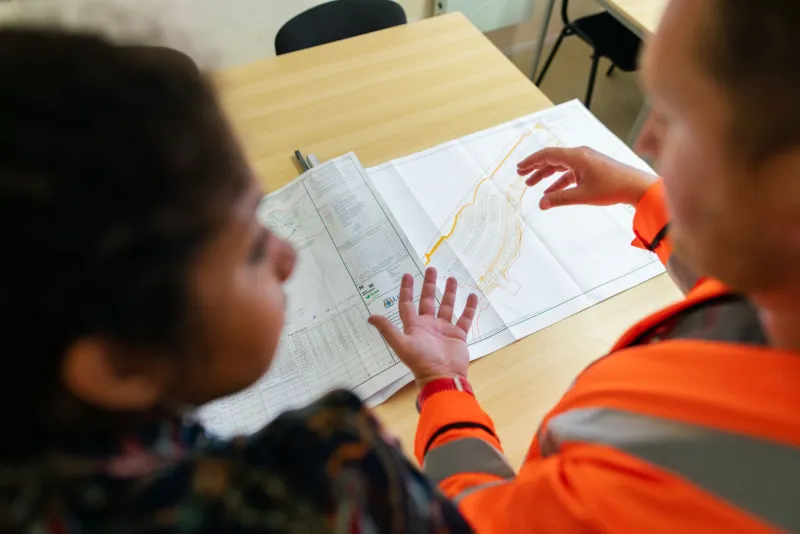
Budget for a technical review call. Thirty minutes of video conversation with an engineer on the supplier's side catches more ambiguity than ten pages of email. Time zones make this inconvenient; a six-week delay is more so.
An Investment, Not an Overhead
None of this requires fluency in Japanese. It requires recognizing that your spec sheet is a document traveling between two professional cultures, each with its own defaults for what goes without saying. The buyers who treat communication infrastructure — glossaries, review calls, explicit question invitations — as part of the procurement budget consistently see faster first-article approval and fewer surprises downstream.
The alternative is paying for those six weeks anyway, one mistranslated word at a time.